Storm damage rarely comes from a single failure point — it's often wind-driven rain finding its way through a compromised roof, a broken window, or siding gaps that a normal rainstorm would never exploit.
We trace wind-driven rain paths from the exterior entry point through to the interior damage, since storm water rarely travels in a straight line.

When a storm hits a wide area of Red Bank, SC, we deploy multiple crews simultaneously rather than working one address at a time.
Emergency tarping and board-up are the first response action on any storm call.
Tracing the full path prevents missing hidden pockets of storm water damage.
Storm claims often involve unique documentation requirements, and our Red Bank, SC team has handled enough of them to know what carriers expect.
Storm damage calls for a specific sequence — stabilize the exterior, trace the intrusion, then restore — and here's how our Red Bank, SC crews run it.

We stabilize the exterior envelope first, before any interior cleanup begins.
Wind-driven rain rarely travels straight down, which is why tracing matters.
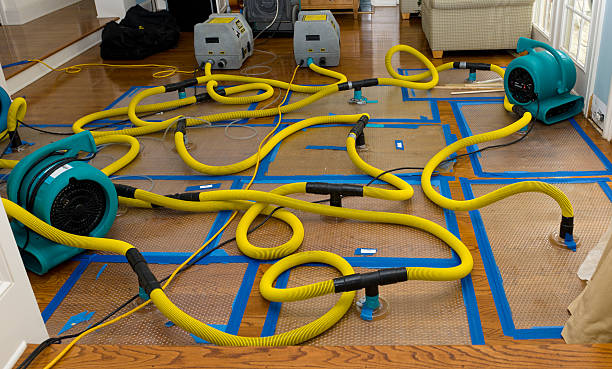
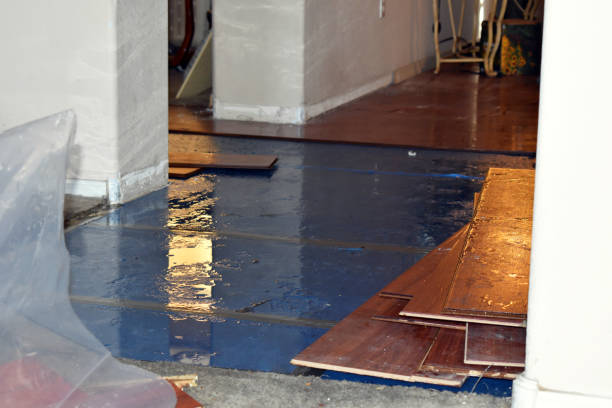
Standing water from storm surge or heavy rain intrusion is extracted using the same truck-mount equipment as any major loss.
We assess both the exterior damage that let water in and the interior damage it caused, as one connected scope.
Multiple technicians deploy together on storm calls to handle scale efficiently.
Storm claim experience shapes how we document the full scope for your Red Bank, SC adjuster.
A quick call helps us understand whether roof breach or window damage needs immediate stabilization.
Multiple technicians may arrive together depending on the reported scope.
We assess both exterior and interior damage, then provide a written scope and estimate.
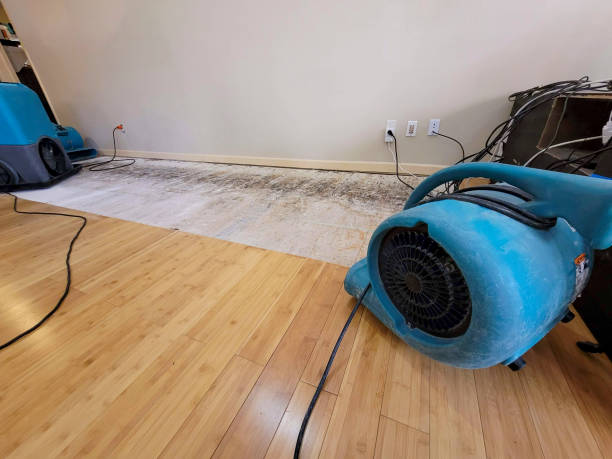
We verify interior moisture readings hit dry standard and confirm the exterior repair path is scheduled.

"Our roof took damage in a bad storm and they had a tarp up within hours, before the next round of rain even hit." — Curtis N.
"They traced the water damage to a spot on the second floor even though the actual roof breach was on the opposite side of the house." — Gabriela O.
"With the whole neighborhood affected by the same storm, I expected a long wait, but they had multiple crews out fast." — Terrence Y.
Tarping usually happens as soon as it's safe to access the roof.
Surge capacity means we scale up crew numbers rather than working one property at a time.
Tracing water paths often reveals damage in areas not obviously connected to the visible breach.
Tarping stabilizes the situation, while permanent repair is usually a separate roofing trade we can coordinate with.
Most homeowner policies cover sudden storm damage, though coverage details vary — we document the loss for your claim either way.
Red Bank sits within our storm response zone, backed by multi-crew deployment capability.

Speak directly with our storm response team.
Call +1-844-833-1325